The cannabis industry has matured into one of the most heavily regulated, fast-moving sectors in the country, and lawyers who serve it are increasingly expected to do more than read statutes. Clients want counsel who understand the market: who’s licensed where, which products are moving, where enforcement is tightening, and how a regulatory shift in one state will ripple into the next. Cannabis data and analytics tools have become a quiet but powerful way for attorney offices to deliver that level of insight without expanding headcount.
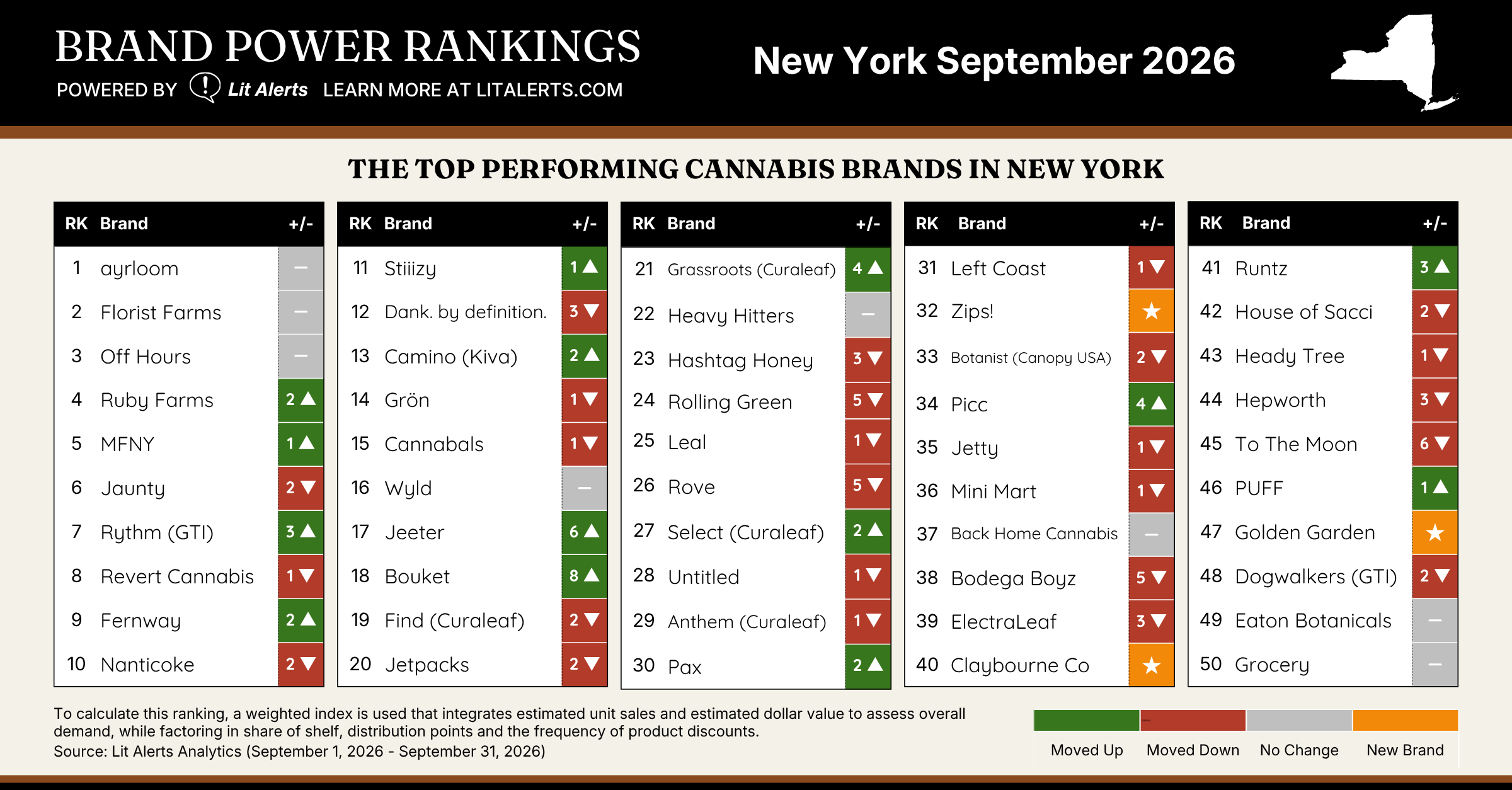
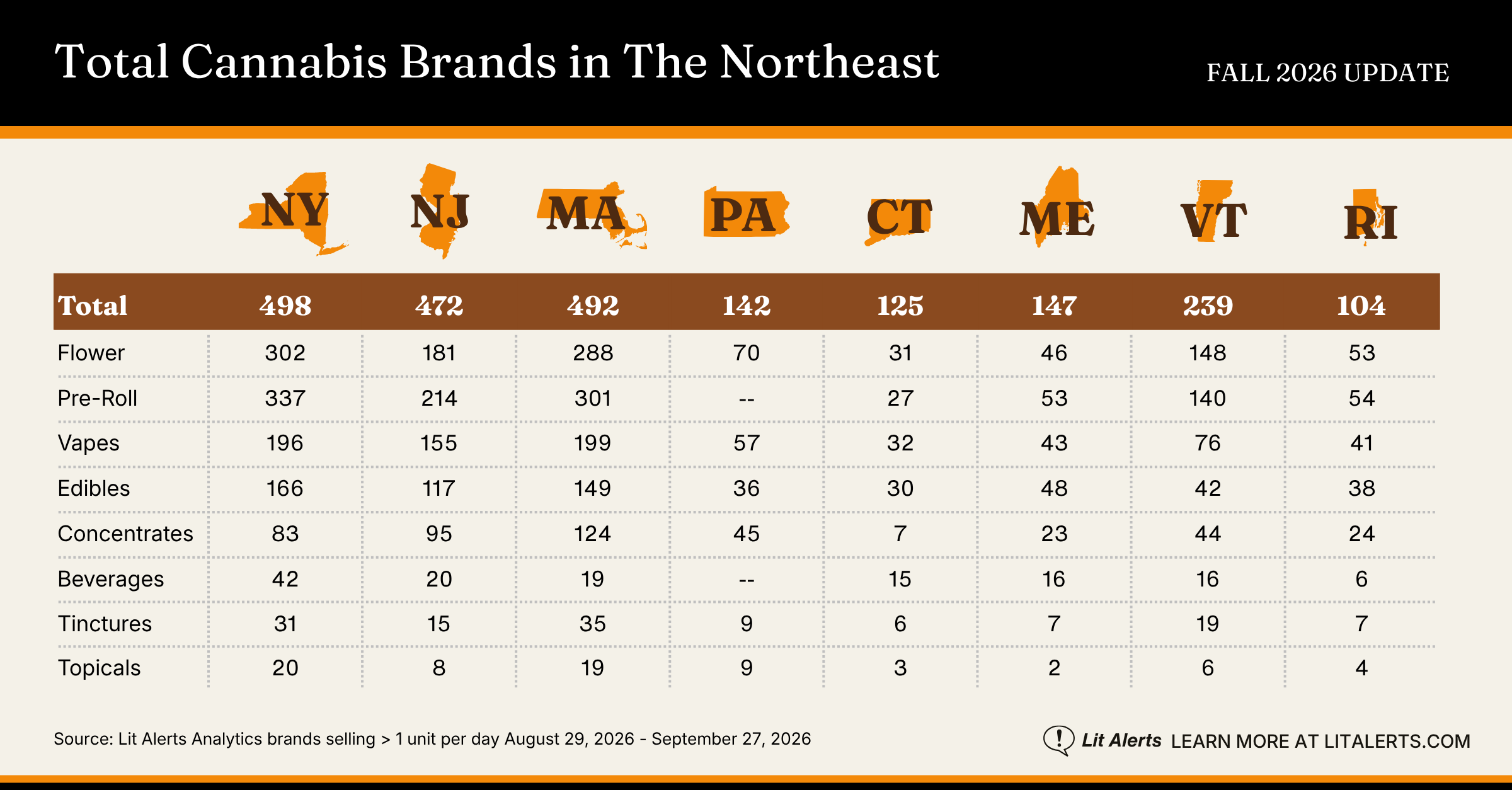
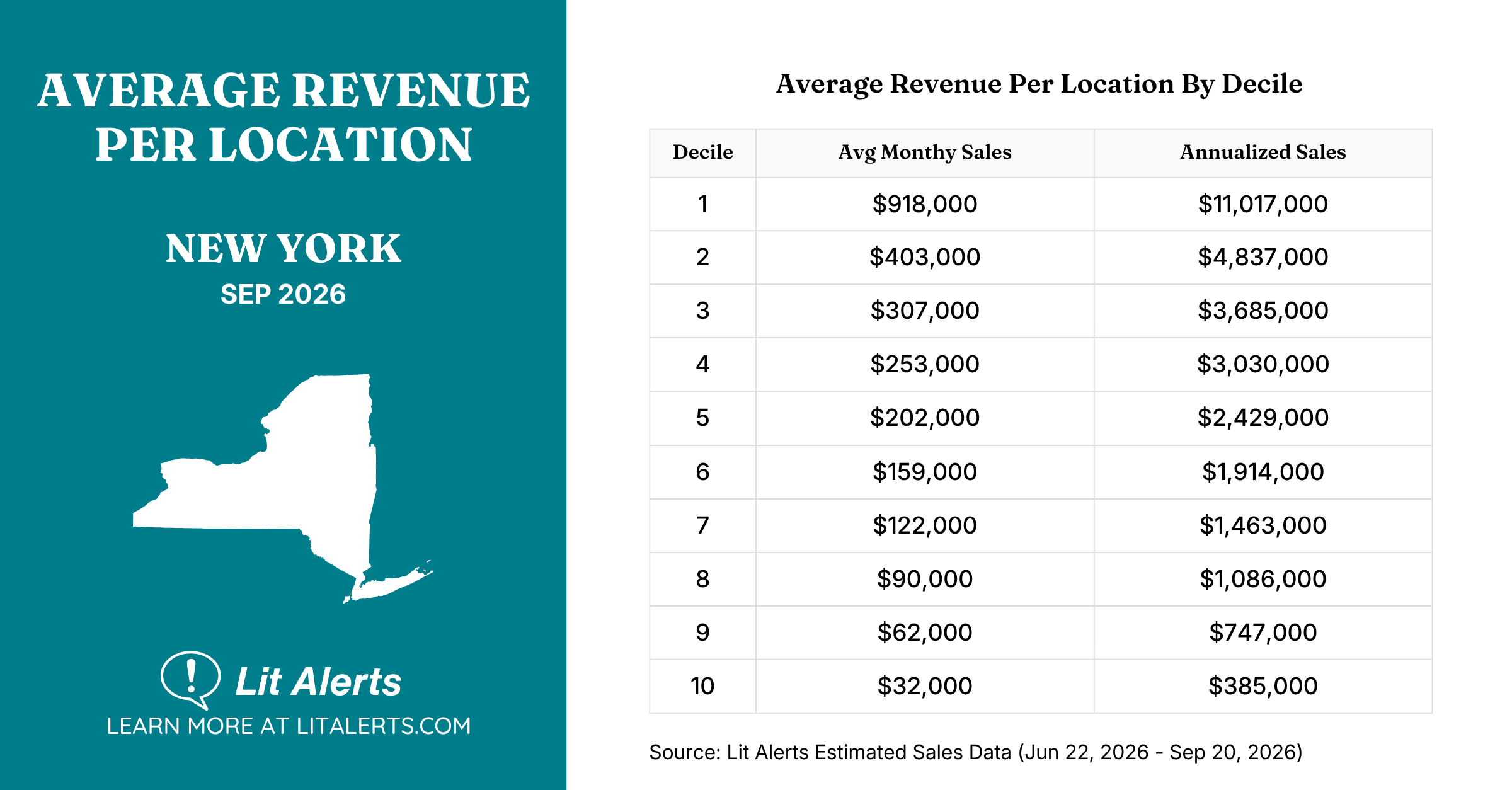
Market data is an immediate usecase. Firms advising on M&A, licensing, lending, or litigation increasingly need to value cannabis businesses with limited public comparables. Sales tracking tools, license databases, and pricing indices allow attorneys to anchor their advice in real numbers, like average wholesale flower prices in a given metro, license transfer activity, retail saturation by zip code and brand market share. A diligence memo that includes hard market context is dramatically more useful to a client than one built on assumptions, and it tends to hold up better when the deal is challenged later.
Litigation and enforcement work benefit too. Trademark and IP disputes, false advertising claims, products liability matters, and class actions all hinge on facts that data can establish: who was selling what, where, at what price, with what label, and for how long. Firms that can pull historical product listings, store-level inventory snapshots, and licensee histories build stronger records and tighter timelines. Enforcement defense work is similarly enhanced when an attorney can show, with sourced data, that a client’s practices were consistent with industry norms at the time of the alleged violation.
Adopting these tools doesn’t require a data science team. Most platforms are point-and-click, and a single attorney or paralegal can be trained quickly. The bigger shift is cultural: treating data not as a research nicety but as a core part of the legal product. Firms that make that shift early are positioning themselves as the obvious choice when cannabis clients need counsel who actually understand the business they’re in.
Sign up for your free trial to find out more about how legal teams can use Lit Alerts for data and analytics needs with clients and beyond.