In today’s competitive marketplace, wholesale representatives must go beyond just making sales calls and checking in with their accounts. Success requires a data-driven approach, leveraging menu and inventory insights daily to ensure their products remain available, competitively priced, and prominently featured. By using menu and inventory data effectively, wholesale reps can refine their sales strategy, improve relationships with retailers, and maximize revenue opportunities. Here’s how:
1. Monitoring Product Availability
One of the most critical tasks for a wholesale rep is ensuring that their products are consistently in stock at their retail and restaurant accounts. A missing product on a menu or an empty shelf translates to lost sales and potential customer dissatisfaction. By checking inventory and menu data daily, reps can:
Identify low-stock or out-of-stock items before they become a problem.
Proactively coordinate restocks with retailers and distributors.
Ensure retailers have the appropriate stock levels to meet customer demand.
Proactive inventory management allows wholesale reps to maintain a seamless supply chain and avoid costly stockouts that could drive customers toward competing brands.
2. Evaluating Pricing Strategies
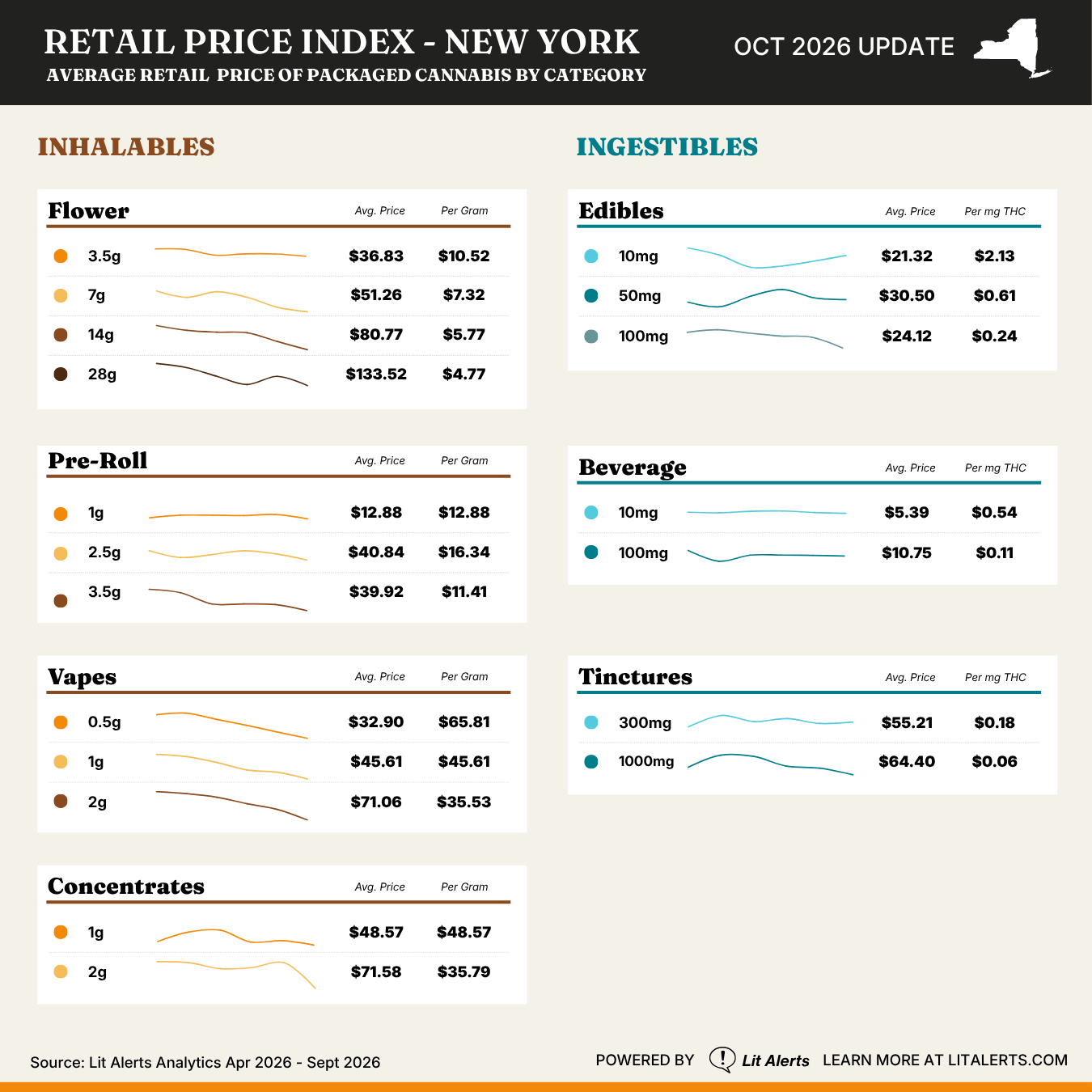
A successful wholesale rep must keep a close eye on pricing trends and competitor strategies. By reviewing menu and inventory data, they can:
Compare their product pricing with competitors.
Identify opportunities for discounts, promotions, or bundling strategies.
Suggest pricing adjustments to ensure profitability and competitiveness.
For instance, if a rep notices that a competitor’s product is priced lower on a menu or shelf, they can discuss promotional opportunities with their retail partners or negotiate better pricing structures to keep their product appealing.
4. Strengthening Retailer Relationships
Retailers and restaurant owners appreciate proactive partners who help them optimize their business. When wholesale reps consistently provide valuable insights based on menu and inventory data, they become trusted advisors rather than just salespeople. Regular check-ins with data-backed recommendations can lead to:
Stronger, long-term relationships.
Increased loyalty to the wholesale rep’s brand.
More collaborative decision-making regarding pricing, promotions, and stock levels.
3. Identifying Sales Opportunities and Gaps
Menu and inventory data also provide valuable insights into which products are performing well and which may need more attention. By analyzing this data, reps can:
Spot underperforming products that need marketing support or promotions.
Identify fast-selling products that may require additional inventory.
Discover opportunities for product placement enhancements, such as end caps, menu highlights, or premium shelf space.
By understanding what’s working and what’s not, reps can tailor their sales pitch and provide actionable recommendations to their accounts.
5. Keeping Products on Shelves 100% of the Time
Ultimately, the goal of every wholesale rep is to ensure their products are always available for purchase. By leveraging daily menu and inventory data, reps can take a proactive approach to:
Prevent out-of-stock situations.
Ensure competitive pricing and visibility.
Strengthen retailer partnerships for sustained success.
In an industry where availability and visibility directly impact sales, a data-driven approach is the key to consistent growth. Wholesale reps who utilize menu and inventory insights daily will stay ahead of the competition and solidify their place as invaluable partners in the retail and restaurant landscape. To learn more about how Lit Alerts can help you achieve your sales goals, please visit here.