Forbes recently explored why cannabis operators cannot simply plug mainstream retail and consumer packaged goods software into their businesses. Alongside leaders from LeafLink and Databis, the article features insights from Lit Alerts CEO Rick Bashkoff on why conventional retail analytics break down in regulated cannabis markets—and how real-time menu intelligence protects brand margins.
Why Conventional Retail Analytics Fail Cannabis Brands
Standard retail analytics platforms were built for mainstream CPG categories with universal UPC codes, interstate supply chains, and slow quarterly pricing cycles. As Bashkoff explained to Forbes, cannabis breaks every one of those foundational assumptions because products lack universal barcodes and every batch or package is tracked as a distinct item in state compliance systems.
Beyond structural tracking differences, timing is where generic retail reports fail operators most:
“Most conventional retail platforms give you post-mortem reports 30 days after the fact.”
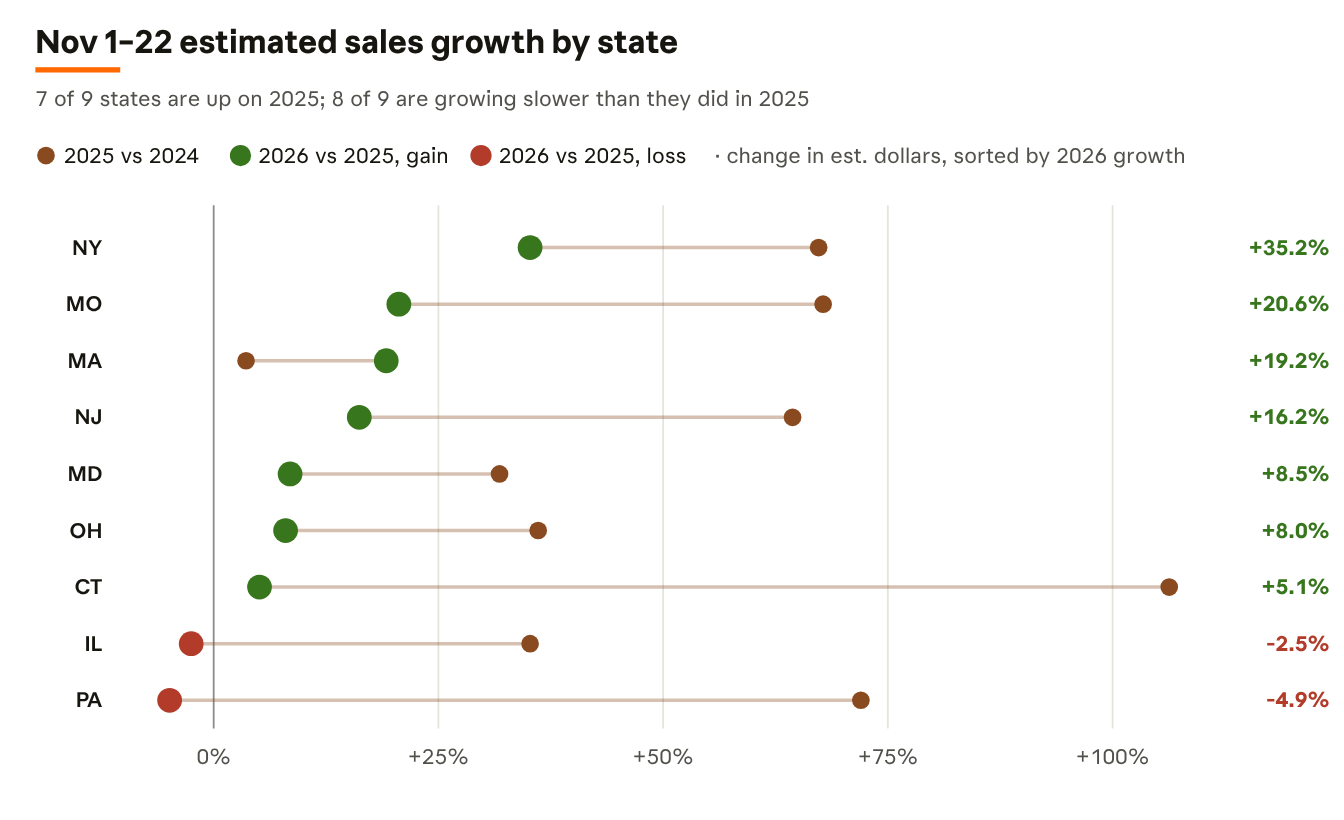
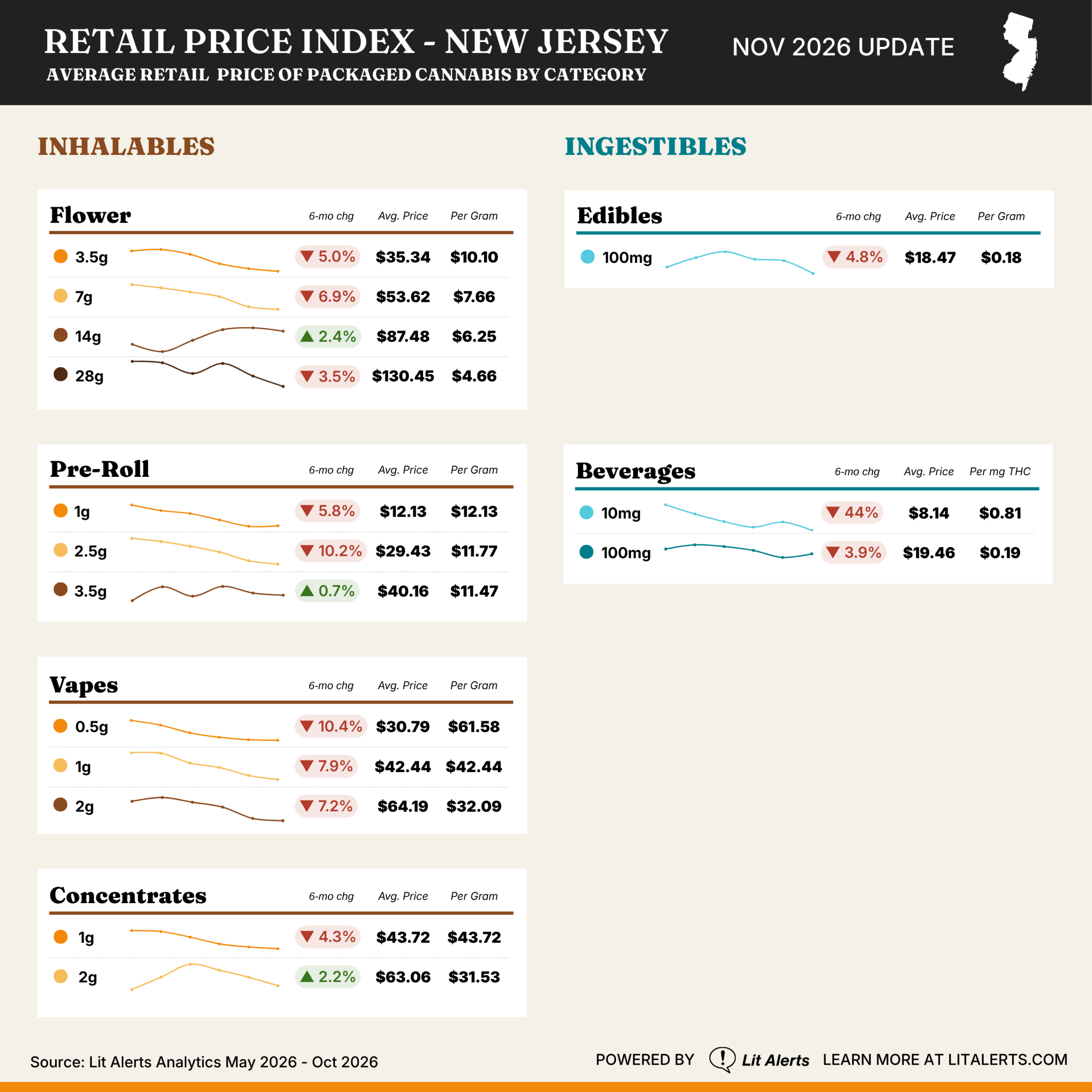
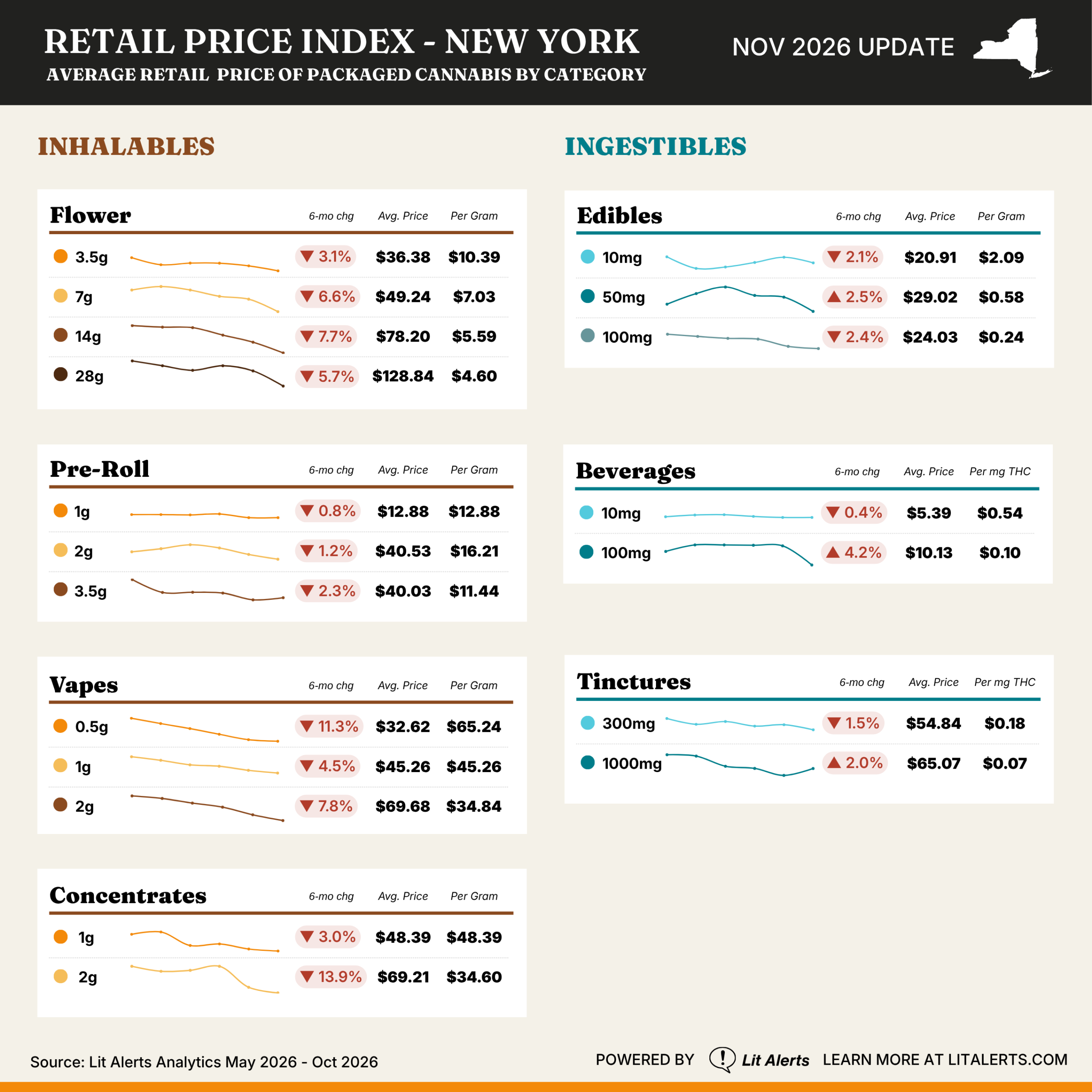
In fast-moving East Coast markets like New York and New Jersey, waiting a month for backward-looking data means only documenting sales you have already lost, as category price erosion happens in weeks rather than quarters.
Turning Real-Time Menu Tracking Into Margin Protection
To illustrate the real-world cost of blind spots, Forbes highlighted Bashkoff’s example of a brand pricing a new flower launch off last quarter’s averages, only to get undercut by competitors slashing wholesale prices by 20% to clear harvest inventory. With live, cannabis-specific menu and pricing tracking, commercial teams can spot category compression early, adjust pricing and pack sizes before launch, and route sales reps straight to dispensaries running low on competing SKUs.
Without purpose-built market intelligence, the operational burden falls directly onto sales teams:
“You have account managers and sales reps spending hours every morning manually clicking through individual dispensary menus to check if their products are in stock, what prices retailers are charging, or if product images are missing. This is pure waste.”
As margins tighten under Section 280E and ongoing price compression, replacing manual spreadsheet checks with real-time retail visibility ensures teams spend their mornings selling cannabis instead of researching it.
Note: This Forbes article is behind a paywall.
For more read the full article here: https://www.forbes.com/sites/petersu/2026/11/11/why-cannabis-still-needs-its-own-purpose-built-technology/